
REVIEW · BOAT TOURS
Krakow: UNESCO Bochnia Salt Mine Tour & Boat Expedition
Salt mining gets surprisingly adventurous. This seven-hour trip from Krakow combines Poland’s oldest operating salt mine with a short underground boat ride, a former miners’ train, chapels carved from salt, and clever multimedia displays. I especially like the less crowded, working-mine feel and the fact that transport, entry, and the audio guide are all handled for $33.
The boat crossing is a rare and atmospheric touch, while the train adds a little fun to what could otherwise be a fairly serious history tour. The main drawback is the amount of walking, stairs, and time spent underground, and this is not the right outing if you want Wieliczka’s famous statue-filled salt chambers.
- Bochnia is older than Wieliczka, with mining here dating to the 13th century.
- A brine-filled underground boat crossing gives the tour its most unusual moment.
- A short miner’s train ride adds a genuine working-mine flavor.
- The mine stays at 14 to 16°C, so bring a light jacket even in summer.
- Hotel pickup and return in Krakow remove the usual transport hassle.
- The tour involves substantial walking, and the boat and train are not suitable for people using a cane or with mobility impairments.
Why Bochnia feels different from Wieliczka
Many people hear salt mine and picture Wieliczka, the better-known attraction near Krakow. Bochnia offers a different experience. It is Poland’s oldest operating salt mine, dating from the 13th century, and it feels more like a genuine mine complex than an underground art museum.
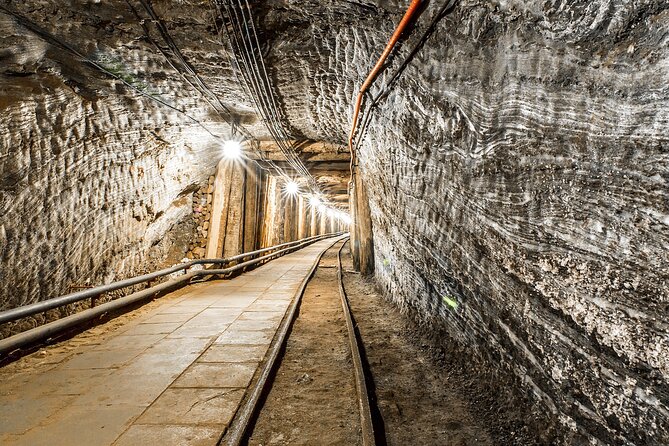
That distinction matters when you choose your day trip. Wieliczka is famous for grand chapels, salt sculptures, and highly polished presentation. Bochnia also has chapels and impressive chambers, but its character is more industrial. You see winding corridors, working-mine features, old transport methods, and long stretches of tunnel.
I like that balance. The mine is not simply a series of pretty rooms prepared for photographs. Its history is tied to labor, salt extraction, transport, and the practical problems of working far below ground. The multimedia sections add context without taking away the sense that you are in a real underground complex.
The attraction is UNESCO listed, and the mine’s age gives the visit weight. You are not just entering a themed attraction. You are following a story that reaches back hundreds of years.
The 75-minute drive from Krakow
The outing begins with pickup at your Krakow hotel or an arranged meeting point. Central Krakow has pedestrian-only streets and limited parking, so your exact pickup point may change. The driver normally confirms the time through WhatsApp the evening before, often for a pickup between 9:30 and 10:00 in the morning.
This advance message is useful. It gives you a clear meeting point rather than leaving you guessing beside a hotel entrance that a van cannot reach. Drivers such as Olaf, Marek, Mirek, Kamil, Peter, and Margaret have been praised for prompt communication, local information, and friendly help. The exact driver varies, but this part of the operation appears to be a major strength.
The drive to Bochnia takes about 75 minutes. That is long enough to make a private transfer valuable, especially if you are traveling with children or do not want to work out regional transport. Drivers often share facts about Krakow and Polish history along the way, though the main mine tour itself uses an audio guide.
A comfortable van and hotel return also make this easier than arranging separate transport. You can focus on the mine instead of watching the clock for a train or bus.
A few more days afloat around Poland worth a look
- Kraków: Evening or Night River Cruise
★ 4.0 · 7,386 reviews - Gdansk: City Cruise on Historical Polish Boat
★ 4.8 · 2,913 reviews - Krakow: Sightseeing Cruise by Vistula River
★ 4.1 · 1,897 reviews
Descending into a real salt mine
At Bochnia, you enter the mine and descend more than 200 meters below ground by elevator. The temperature stays between 14 and 16°C throughout the year. That is pleasantly cool after a warm Krakow morning, but it can feel cold after several hours, so pack a sweater or light jacket.
The mine route lasts about three and a half hours before the separate boat section. It is not a quick look at one chamber. You move through corridors, tunnels, chapels, and large underground rooms, with plenty of walking along the way.
Wear sensible shoes. This is the single most useful piece of advice for the day. One particularly enthusiastic visitor described the mine as covering a great deal of ground, and that matches the structure of the tour. The train takes you along one section, but it does not remove the walking.
You may also encounter many stairs. One person found the mine manageable for older visitors, while another stressed that it is not suitable for people who are not physically able. Both points can be true. The route may feel easier than an outdoor mountain walk, but it still asks you to walk underground for several hours and manage steps.
Multimedia displays make the history easier to follow
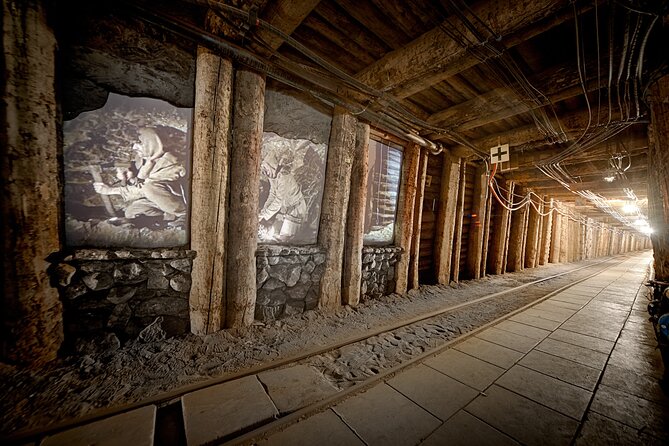
Bochnia’s presentation uses projections, animation, interactive screens, and recorded commentary. That is a smart choice because salt mining can otherwise become a blur of dates, tools, and dark passageways.
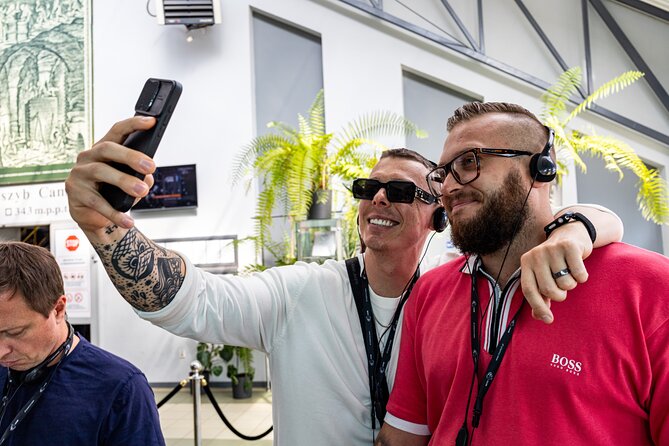
The displays show how the mine developed and help explain the work carried out underground. Visual material is especially helpful when your guide speaks Polish and you rely on the audio equipment for another language. The supplied audio guide is available in English, German, Spanish, French, Italian, and Polish.
This is not a silent headset tour where you simply follow a voice from room to room. The mine guide remains part of the experience, and the audio system lets you keep up with the explanation even when the live guide is not speaking your language. Some groups have also found that drivers such as Fabian step in to clarify a point when needed.
The presentation gives the visit an educational tone. If you want a day packed with theatrical spectacle, you may find parts of it formal. If you enjoy understanding how places worked, the displays make the mine much more rewarding.
Chapels, chambers, and salt-carved details

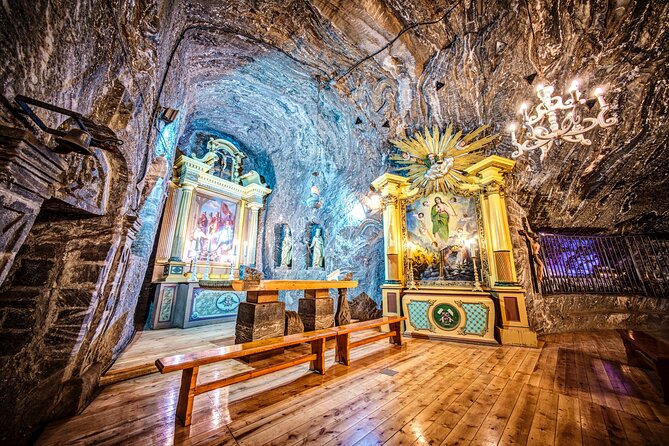
The underground chapels are among the most memorable parts of the route. Salt appears in the walls, floors, and carved details, giving the rooms a look that is both practical and devotional.
Bochnia does not present itself as a grand sculpture gallery in the way some people expect from Wieliczka. That is worth knowing before you book. One person arrived expecting the better-known mine’s large collection of salt statues and felt slightly disappointed. The issue was not the quality of Bochnia, but the difference between the two sites.
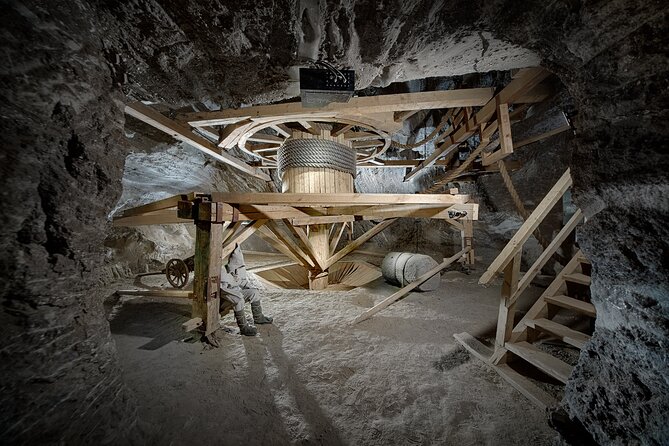
I would choose Bochnia if you want a broader look at underground mining. You get chapels, but you also get tunnels, transport systems, historical displays, and the feeling of a functioning mine. The spaces vary in scale, from narrow passages to larger halls where the mine’s size becomes clear.
The changing atmosphere is part of the appeal. Some sections are quiet and enclosed. Others open into sizable chambers with displays and gathering areas. At one point, you may even find an underground food outlet, though the food is not included and prices can be high by Polish standards.
Same water, a different boat:
- Krakow: Day or Night Vistula River Cruise with Audio Guide
★ 4.5 · 1,303 reviews - Krakow: Evening Cruise with a Glass of Wine
★ 4.0 · 1,054 reviews - Gdańsk: Sunset Cruise on a Historic Polish Boat
★ 4.9 · 977 reviews - Krakow: 1-Hour Evening Vistula River Cruise
★ 4.1 · 952 reviews
The miner’s train adds a practical touch
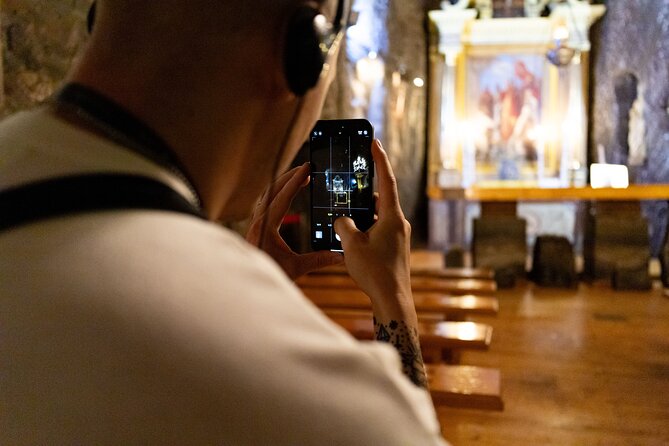
The short underground train ride is one of the tour’s best details. It is not a theme-park ride designed to carry the whole experience. It is presented as a train once used by miners, and that gives it a useful connection to the mine’s working past.
The ride helps with part of the route, but do not treat it as a substitute for walking. You still cover a substantial distance on foot. The train is also one of the elements that makes Bochnia feel different from a standard museum visit.
For children aged four and above, this may be the moment that keeps the day lively. The multimedia displays explain the past, while the train lets you experience one small part of how people moved through the mine. Adults tend to appreciate the practical detail just as much.
If you use a cane or have a mobility impairment, take the restrictions seriously. The boat and train are not available to people in those circumstances, even if other parts of the mine might be manageable.
The 30-minute underground boat expedition
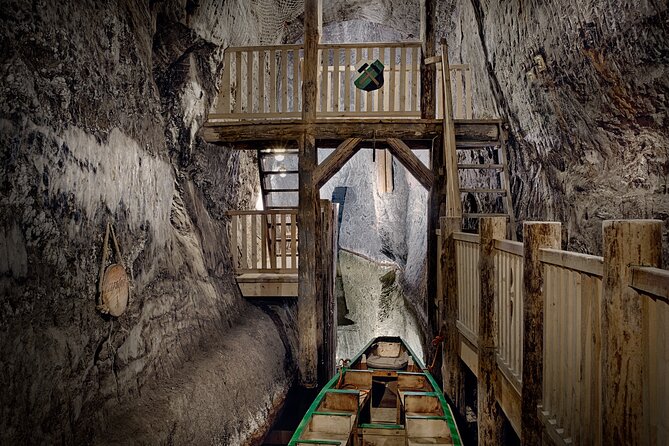
The boat crossing is the tour’s most unusual feature. You travel across brine-filled tunnels in a dark underground setting, with the water and enclosed passage creating a quiet, almost otherworldly mood.
It lasts about 30 minutes, so this is not a long boating excursion. Think of it as a short expedition within the mine, not a separate cruise. Its value comes from the setting. You are not looking at a lake or river in daylight. You are passing through tunnels surrounded by the remains of salt mining.
The boat can be a little awkward for anyone uncomfortable in confined spaces. People with claustrophobia should think carefully before booking. The same applies to the mine itself, since much of the route takes place underground in enclosed corridors.
For everyone else, the boat adds a welcome change of pace after the walking and exhibits. The train shows how miners moved through the complex. The boat lets you see another side of the underground environment, with brine-filled passages rather than ordinary walkways.
A practical day, with one food warning
Food and drinks are not included. You may bring water and a small snack, and food points are available inside the mine. There is also an underground restaurant serving Polish dishes.
I would not make the restaurant your main reason for booking. One visitor paid 55 Polish złoty for a relatively small plate of meat and vegetables priced by weight, which was considered very expensive compared with normal Polish meal costs. The food may be tasty, but check the price before filling your plate.
The better plan is simple: eat before departure or bring a modest snack and water. If you want to try the underground restaurant, treat it as an optional novelty and ask how the pricing works.
The cool temperature can make a drink welcome, but large bags and unnecessary items are best avoided. Pets, baby strollers, alcohol, and drugs are not allowed.
What the $33 price really covers
At $33 per person, this is strong value if you want a full-day outing with transport and several activities included. The price covers hotel pickup and drop-off from Krakow, a professional English-speaking driver, the pre-booked entry ticket, the audio guide, multimedia exhibits, the boat expedition, and the miner’s train.
The transport alone matters. Bochnia is outside Krakow, and arranging a return journey independently would take planning. Here, your driver waits at the end and brings you back to your hotel or agreed drop-off point.
The tour also avoids waiting at the ticket counter through a pre-booked entrance. That does not mean every part of the day will move at exactly the same speed, but it reduces one common source of delay.
Value depends on what you want from a salt mine. If you want elaborate sculpture and grand decorative rooms above all else, compare this with Wieliczka before booking. If you want transport, history, mine technology, a train, and an underground boat at a modest price, Bochnia gives you plenty for the money.
Who will enjoy this most
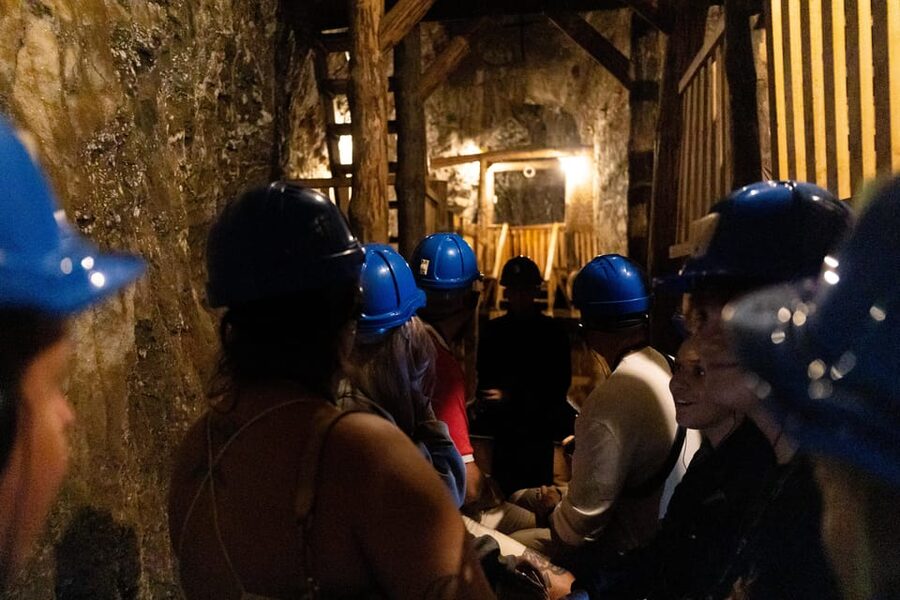
I would recommend the tour to people who like history with a bit of adventure. Families with children aged four and older may enjoy the train and boat, though parents should be ready for a long day and plenty of walking.
It also suits visitors who want a less crowded alternative to Krakow’s most famous salt mine. Several departures have felt especially calm when the group entered early, with one small group describing the mine as almost private for a time.
This is a good choice if you prefer a guided day trip rather than independent planning. The driver communication is a real convenience, and people such as Olaf, Mirek, Margaret, and Fabian have added useful local advice along the way.
I would be cautious if you have claustrophobia, use a wheelchair, rely on a cane, or dislike enclosed attractions. The boat and train restrictions are important, and the walking may be tiring even for people without a mobility concern.
Bring:
- Comfortable walking shoes
- A sweater or light jacket
- Water
- A small snack if needed
Free cancellation is available up to 24 hours before departure, and reserve-now, pay-later booking is offered. Those terms are useful if your Krakow plans are still changing, but the physical demands of the tour matter more than the booking flexibility.
Should you book the Bochnia Salt Mine tour?
Book it if you want a well-priced, unusual day trip that combines Polish mining history with a train ride and an underground boat crossing. The hotel pickup, clear pre-trip communication, and return transfer make it especially easy for a first visit to Krakow.
Skip it if your main goal is to see grand salt sculptures and ornate underground art. In that case, Wieliczka may fit your expectations better.
For everyone else, Bochnia offers a sturdy mix of education, atmosphere, and small thrills. Put on good shoes, carry a jacket, and expect a real walk underground. At $33, it is one of the more convincing ways to spend half a day beyond Krakow’s center.
FAQ
How long does the Bochnia Salt Mine tour take?
The full experience lasts about seven hours, including roughly 75 minutes of travel each way between Krakow and Bochnia.
What is the temperature inside the mine?
The mine temperature remains between 14 and 16°C throughout the year.
Is hotel pickup and drop-off from Krakow included?
Yes. Pickup and return transport from Krakow are included, though the exact pickup point may change because of pedestrian streets or limited parking.
Which languages are available for the audio guide?
Audio commentary is available in English, German, Spanish, French, Italian, and Polish.
Is the boat ride included?
Yes. The underground boat expedition through brine-filled tunnels is included and lasts about 30 minutes.
Is the miner’s train ride included?
Yes. A short authentic miner’s train journey inside the mine is included.
Is the tour suitable for wheelchair users?
No. The experience is not suitable for wheelchair users, and the boat and train are not available to people with mobility impairments or those using a cane.
Can children join the tour?
Children aged four and older are welcome. Children under four are not permitted.
Just added around Poland
- Krakow: Vistula River Cruise with Historical Views★ 3.5 · 357 reviews
- Krakow: Sightseeing Cruise on Vistula River with Audio Guide★ 4.4 · 480 reviews
- Krakow: Vistula River Sightseeing Cruise with Audio Guide★ 4.0 · 323 reviews
- Krakow: 1-Hour Evening Vistula River Cruise★ 4.1 · 952 reviews
- Gdańsk: Sunset Cruise on a Historic Polish Boat★ 4.9 · 977 reviews
- Gdańsk: Motlawa River Yacht Cruise★ 4.6 · 272 reviews
- Gdansk: Guided Round-Trip Cruise to Westerplatte★ 4.3 · 865 reviews
- Krakow: Sightseeing Cruise by Vistula River★ 4.1 · 1,897 reviews
Boat Tours, compared.
1-Hour Seine Cruise departing from the Eiffel Tower
Read our review →
Bosphorus Dinner Cruise & Show with Private Table
Read our review →

Unlimited Prosecco, Beer and Aperol Spritz Cruise
Read our review →
Amsterdam Classic Saloon Boat Cruise with Drinks and Cheese
Read our review →
Amsterdam Luxury Canal Cruise + Unlimited Drinks & Bites option
Read our review →Browse the lists this tour appears in