REVIEW · BOAT TOURS
Seoul: DMZ & Observatory Tour with Suspension Bridge or Boat
The Korean border is closer than you think. This tour takes you from Seoul to the Third Tunnel, Dora Observatory, and the tense strip of land separating North and South Korea, with an optional Imjin River boat ride for a longer day. I like the strong mix of history and real places, and I like that round-trip transport, military access, a guide, and admission fees are bundled into the $39 price. The main catch is that the tour can change suddenly because the DMZ is an active military area, and the half-day option may not include the suspension bridge or boat shown in the general title.
The itinerary is well suited to a first visit. You get a clear introduction to the Korean War, see a tunnel built for a possible invasion, look toward North Korea from Dora Observatory, and finish with Unification Village and border-area sights. Guides such as Dennis, Joey, Julie, Paul, Lucy, and Moon Young are praised for mixing solid explanations with humor and energy, which matters on a long day of history and military procedure.
Key things to know before you book
- The Third Tunnel is the physical highlight: You walk into a tunnel dug from North Korea toward the South, so comfortable shoes are essential.
- Dora Observatory offers views toward North Korea: Weather and visibility affect how much you can see, but the viewpoint gives the tour its clearest sense of place.
- The boat option makes this a full-day outing: The Imjin River flows from North Korea, adding a quieter and more scenic finish after the formal DMZ visits.
- The half-day version is efficient: Expect about six hours, with drop-off around 1:30 p.m. at Hongik University Station or 2:00 p.m. at Myeongdong, subject to change.
- Bring your passport and leave large bags behind: Military access requires valid identification, and luggage or large bags are not allowed.
- This is not a casual sightseeing loop: Access depends on military permission, and the DMZ can close without notice.
Why this DMZ trip is worth your Seoul time

A DMZ visit gives you something Seoul itself cannot: a direct look at the unresolved division of the Korean Peninsula. You are not simply visiting a museum with maps and photographs. You pass through controlled checkpoints, ride a bus designated by the Korean military, and visit places shaped by the continuing border.
I especially like the way the tour links several kinds of history. At Imjingak, you see public memorials and symbols of separation. At the Third Tunnel, you encounter military planning underground. At Dora Observatory, you look across the border toward North Korea. Unification Village then brings the story back to ordinary civilian life near the restricted zone.
The $39 price is strong value if you want a guided visit without arranging transport and admission separately. The tour includes a live English-speaking guide, round-trip transfer from Seoul, DMZ admission, and the walking tour in the Third Tunnel. Lunch is not included, and the longer boat version adds time, but the basic package covers the difficult parts of reaching the border.
This is also a good choice if you want context rather than simply a photo stop. Dennis is praised for making history clear and entertaining, while Julie is noted for remembering people’s names and adding useful details about Korean life, including K-Beauty. Joey, Paul, Lucy, and Moon Young also receive praise for warmth, humor, and clear explanations. The exact guide cannot be guaranteed, but the repeated pattern is useful: lively guiding is one of this tour’s biggest strengths.
A few more days afloat around the world worth a look
- Paris: 1-Hour Seine Cruise departing from the Eiffel Tower
★ 4.4 · 77,472 reviews - Istanbul: Bosphorus Dinner Cruise & Show with Private Table
★ 4.8 · 62,058 reviews - Budapest: City Highlights Sightseeing Cruise
★ 4.6 · 43,981 reviews
Getting from Seoul to the border
The day begins at one of several designated Seoul meeting points. The specific place depends on the option you book, so check your confirmation closely rather than assuming every departure uses the same corner or station entrance.
The journey toward Gyeonggi Province takes about an hour by bus or coach. That travel time is not wasted. Your guide uses the ride to explain the Korean War, the division of Korea, and the rules you will face inside the DMZ. It is helpful to hear this before arriving because the military procedures can otherwise feel abrupt.
Expect a group bus inside the restricted area. This is not a free-form private excursion where you wander off whenever you like. The schedule follows military access rules, and the order or length of stops can change because of traffic, weather, or permission to enter.
That restriction is part of the experience, but it also requires patience. Keep your passport easy to reach, listen carefully to your guide, and avoid bringing a large daypack or suitcase. The operator specifically says luggage and large bags are not allowed.
Imjingak, Mangbaedan, and the Freedom Bridge

Imjingak is the emotional starting point for the border story. The area includes the Mangbaedan Altar, the Freedom Bridge, and a preserved steam locomotive. Depending on the tour version and timing, you may also pass Imjingak Peace Park.
The Mangbaedan Altar is associated with families separated by the division of Korea. It gives the visit a human focus before you move into the more formal military sites. The steam locomotive offers a stark visual reminder that rail travel and ordinary movement were interrupted by war and separation.
The Freedom Bridge is another important stop. It is tied to exchanges after the Korean War and has become one of the best-known public symbols of divided Korea. You will have time for sightseeing and photographs, but do not expect an unrestricted walk across the border. This is a controlled historical site, not a normal pedestrian bridge.
These visits may feel less dramatic than the tunnel, yet they provide needed balance. Without them, the tour could become a string of lookout points. Here, you see how the division affects memory, families, transport, and public life.
Walking through the Third Tunnel of Aggression
The Third Tunnel is the tour’s most active stop. You walk into an underground passage constructed from the North Korean side toward South Korea. Its intended use was military, and the tunnel is presented as part of the history of planned infiltration across the border.
The walk is not suitable for everyone. The tour is specifically marked as unsuitable for people with mobility impairments, and comfortable shoes are required. You should expect a physical visit rather than a simple viewing platform. The tunnel section lasts about an hour, including the guided explanation and bus movement.
This is where the DMZ becomes tangible. At Dora Observatory, you look outward. In the tunnel, you move through a space built beneath the border. That change in scale makes the military history easier to understand.
Follow the guide’s instructions and allow time for the walk back. The tunnel is not a place to rush through for a quick photograph. The point is to see the engineering, the narrow passage, and the evidence of how close underground military activity came to the South.
Same water, a different boat:
- Budapest: Unlimited Prosecco, Beer and Aperol Spritz Cruise
★ 4.8 · 37,304 reviews - Prague: 50-Minute Sightseeing Evening Cruise
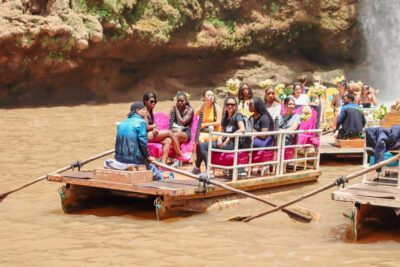
★ 4.2 · 33,780 reviews - From Marrakech: Ouzoud Waterfalls Guided Hike and Boat Trip
★ 4.7 · 33,630 reviews - Amsterdam Classic Saloon Boat Cruise with Drinks and Cheese
★ 5.0 · 31,825 reviews
Dora Observatory and the view toward North Korea
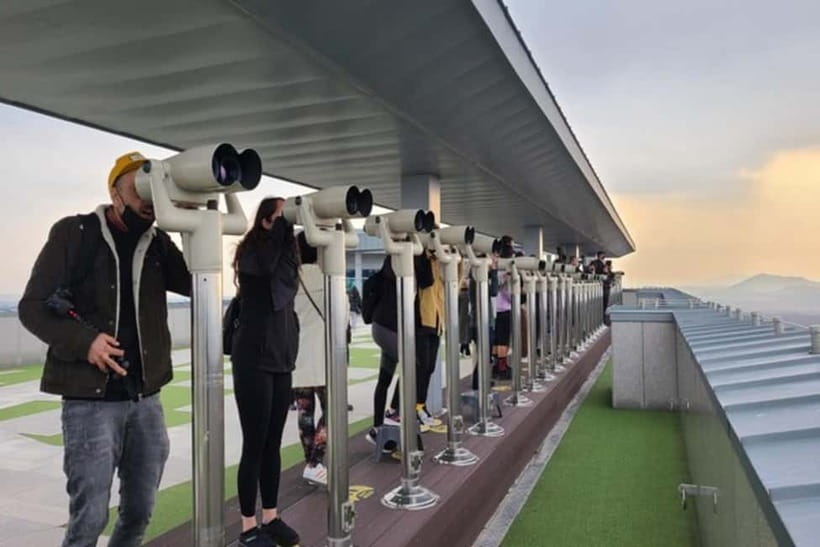
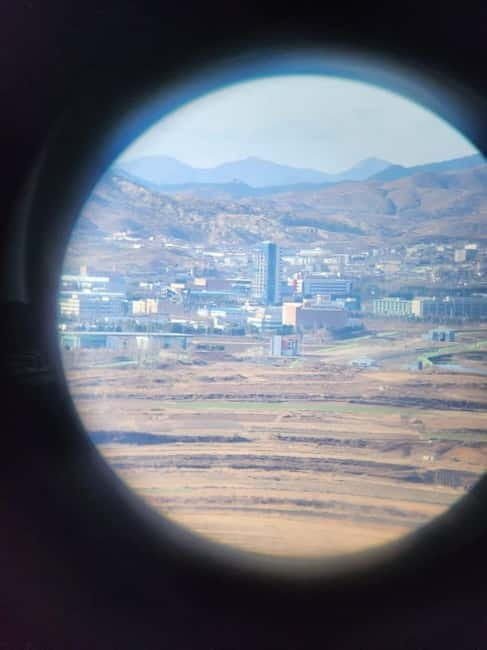
Dora Observatory provides the broadest view of the trip. From here, you look toward North Korea across the restricted zone. The view depends on weather, haze, and visibility, so you should arrive with realistic expectations. On a clear day, the sightline can be striking. On a hazy day, the value lies more in understanding the geography than in seeing distant details.
Your guide helps identify what you are looking at and explains the border setting. That guidance is important because a wide view without context can become just another overlook. The stop lasts roughly 40 minutes, enough time for an explanation, viewing, and photographs.
Dora Observatory also shows why the DMZ is more than a line on a map. The area between the two countries is controlled, watched, and politically charged, yet from the observatory it can appear calm. That contrast is one of the tour’s strongest moments.
Unification Village and civilian life near the DMZ
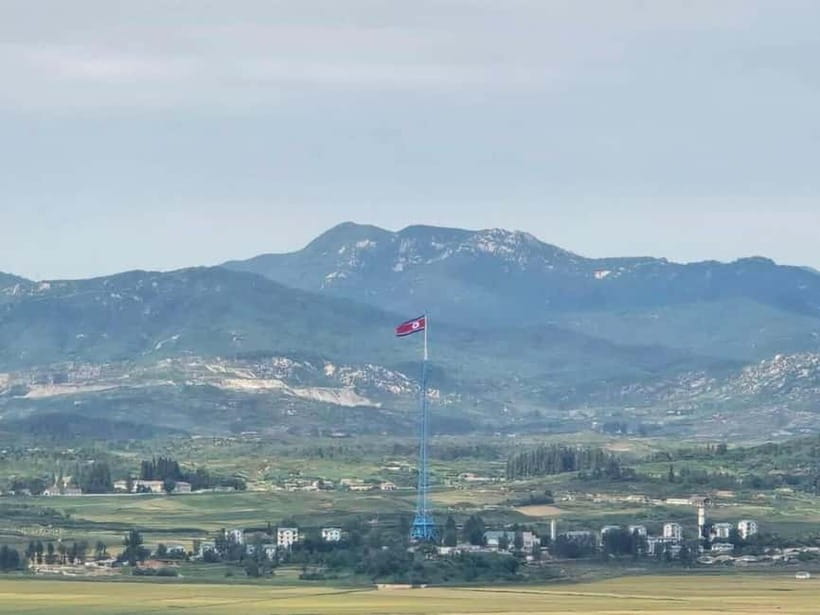
The tour continues to a unification village, with about 30 minutes for the visit. This stop gives you a glimpse of communities living close to a heavily restricted military zone.
It also makes the day less abstract. The DMZ is not only tunnels, watchtowers, and political history. People live and work near it, and the idea of eventual Korean unification remains part of the area’s identity.
Lunch is not included in the tour price. The schedule includes a break in Paju, and one reported version of the day includes lunch at Unification Village. Treat this as a planned pause rather than a guaranteed included meal. Bring money for food and any purchases.
One useful detail is that the tour may include opportunities to buy local delicacies, alcohol, and skincare products. Simba is especially praised for pointing out shopping possibilities. These stops may not appeal to everyone, but they can be practical if you want Korean products or snacks that are less common in standard Seoul shopping districts.
Choosing between the half-day and boat versions
The half-day DMZ option is the better fit if you want the essential sites and still have the afternoon or evening free. It includes Imjingak, the military bus, the Third Tunnel, Dora Observatory, Unification Village, and return transport. Expected drop-off is around 1:30 p.m. at Hongik University Station or 2:00 p.m. at Myeongdong, although traffic, weather, and military access can change the timing.
The full-day boat version follows the main DMZ route first, then adds a boat voyage on the Imjin River. The river flows from North Korea, so this part adds a different perspective on the border. Instead of another formal site, you get time on the water after a morning of checkpoints, explanations, and underground history.
The boat version usually returns around 4:00 p.m. at Hongik University Station or 4:30 p.m. at Myeongdong. The boat ride can be replaced if maintenance or weather affects operations. That possibility is worth accepting before you book, since the river portion is an option rather than an absolute guarantee.
Pay close attention to the selected option. The general experience title refers to a suspension bridge or boat, but the half-day details specifically mention Dokgae Bridge, not the suspension bridge. The supplied tour information and direct feedback make this distinction important. If the bridge is a priority, confirm that your chosen version includes it rather than assuming it comes with every half-day departure.
The longer day makes sense if you prefer a fuller schedule and do not mind returning to Seoul later. The half-day is better if you have limited time, young children, evening plans, or a busy Seoul itinerary.
What the guide adds to the day

A DMZ visit depends heavily on the guide. Military sites have rules and waiting periods, while the historical background can become dry if it is delivered as a list of dates.
The strongest guiding style here combines facts with humor. Dennis is repeatedly praised for being funny, careful, and clear about Korean War history. Joey is described as patient, helpful, and energetic. Julie is known for adding personal attention, remembering names, and giving people time for photos and shopping. Paul receives praise for storytelling and a warm sense of humor.
That variety matters because the day is long. The best guide keeps the mood respectful without making the experience grim from start to finish. You still get serious history, but a joke at the right moment helps maintain attention during bus rides and queues.
English is the listed language. The tour includes a live guide rather than an audio recording, so you can ask questions during the day. SJ is praised for answering questions, and several guides are noted for clear English. If a specific guide matters to you, you can request one, but do not treat that as guaranteed.
Practical limits and possible frustrations
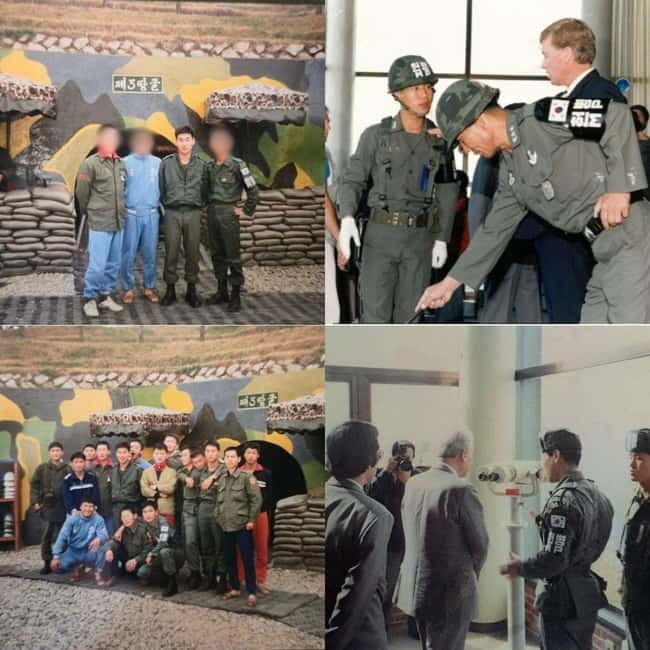
The DMZ is a military area, not a normal attraction. It can close suddenly without notice, and the tour information says an alternative tour will be provided if that happens, with no refund offered. This is the most important condition to understand before paying.
Timing is also flexible in the less pleasant sense. Traffic, weather, and military permission can affect entry and drop-off. Do not schedule a flight, train, or nonrefundable evening event too tightly after the tour.
The physical demands are modest for an active visitor but real enough to matter. The Third Tunnel involves walking, and the tour is not suitable for people with mobility impairments. Wear comfortable shoes, carry only what you need, and keep your passport with you.
Lunch costs extra, and the bus-based structure means you will not control every pause. If you prefer independent exploration, a private guide or self-planned day may suit you better. If you want the border explained and organized from Seoul, these limits are a fair trade.
Who should book this tour?
I would choose this tour for a first visit to the DMZ, especially if you want the main historical sites without solving military transport and admission details yourself. It suits solo visitors, couples, and families with older children who can manage the tunnel walk and a full morning of guided activity.
The half-day version fits a tight Seoul schedule. The boat version suits you if you want a slower finish and are happy to give up most of the afternoon. The river ride is a pleasant contrast to the more serious morning, but it should not be the only reason you book because weather or maintenance can change that part.
At $39, the included transport, guide, military access, and Third Tunnel visit make the package good value. You still need to budget for lunch, and you need to accept the possibility of an altered route or closure. Those are not minor details, but they are part of visiting a controlled border.
Should you book this Seoul DMZ tour?
Book it if you want an organized, informative first look at the Korean border, particularly the Third Tunnel and Dora Observatory. I like the balance of memorial sites, military history, a North Korea viewpoint, and civilian life near the DMZ.
Choose the half-day trip for efficiency. Choose the boat version for a longer day and a calmer river finish. Before paying, check the exact option, meeting point, return time, and whether a suspension bridge is included. Bring your passport, wear good shoes, leave large bags at your accommodation, and keep your schedule flexible.
This is not a guaranteed view into North Korea or a leisurely countryside outing. It is a carefully controlled visit to a place where politics, family memory, and military tension meet. For $39, it offers a lot of meaning in one demanding day.
FAQ
How long does the Seoul DMZ tour last?
The activity lasts about six to nine hours, depending on the option selected. The half-day version is expected to return around 1:30 p.m. to Hongik University Station or 2:00 p.m. to Myeongdong. The boat version is expected to return around 4:00 p.m. or 4:30 p.m., with exact timing subject to change.
What sites are included?
The core route includes Imjingak, the Third Tunnel, Dora Observatory, Unification Village, and return transport from Seoul. The route also includes sights such as Mangbaedan Altar, the Freedom Bridge, and a preserved steam locomotive.
Is the Imjin River boat ride included in every option?
No. The boat voyage belongs to the full-day boat option. It may be replaced if maintenance or weather affects operations.
Does the half-day tour include a suspension bridge?
The half-day details specify Dokgae Bridge rather than a suspension bridge. Because the available options differ, check the exact booking selection if visiting a suspension bridge is important to you.
Do I need a passport?
Yes. Every person must bring a valid passport to access the DMZ.
Is lunch included?
No. Lunch is not included in the tour price. A break in Paju is included in the schedule, and some versions may stop for lunch at Unification Village.
What happens if the DMZ closes?
The DMZ may close suddenly because it is a military area. If that happens, an alternative tour is provided, but the stated policy says no refund is offered.
Just added around the world
- Seville: Guadalquivir Boat Tour with Optional Lunch/Dinner★ 4.4 · 2,193 reviews
- Seward: Kenai Fjords National Park Catamaran Cruise w/Lunch★ 4.8 · 736 reviews
- Seville: Guadalquivir River Boat Tour★ 4.6 · 1,478 reviews
- Seville: Exclusive River Boat Tour with Tapas★ 4.3 · 802 reviews
- From Seward: Kenai Fjords National Park Cruise with Lunch★ 4.9 · 265 reviews
- Setúbal: Dolphin Watching Boat Tour★ 4.8 · 423 reviews
- Seoul: Han River Night Picnic & Games with Cruise★ 4.8 · 461 reviews
- Secret Blue Cave & Grama Bay – Speed Boat Tour★ 4.8 · 339 reviews
Boat Tours, compared.
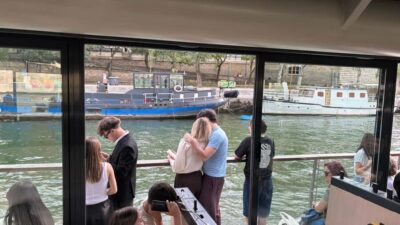
1-Hour Seine Cruise departing from the Eiffel Tower
Read our review →
Bosphorus Dinner Cruise & Show with Private Table
Read our review →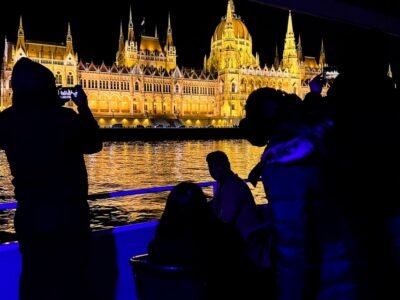

Unlimited Prosecco, Beer and Aperol Spritz Cruise
Read our review →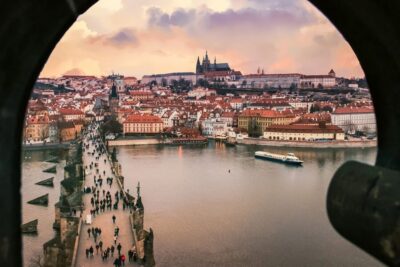
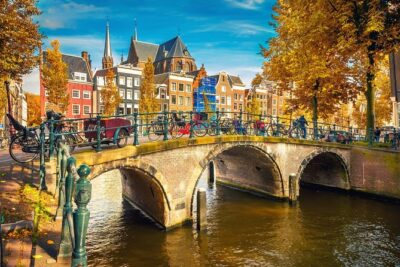
Amsterdam Classic Saloon Boat Cruise with Drinks and Cheese
Read our review →